


RNE and fire protection systems: everything you need to know to comply with regulations in Peru
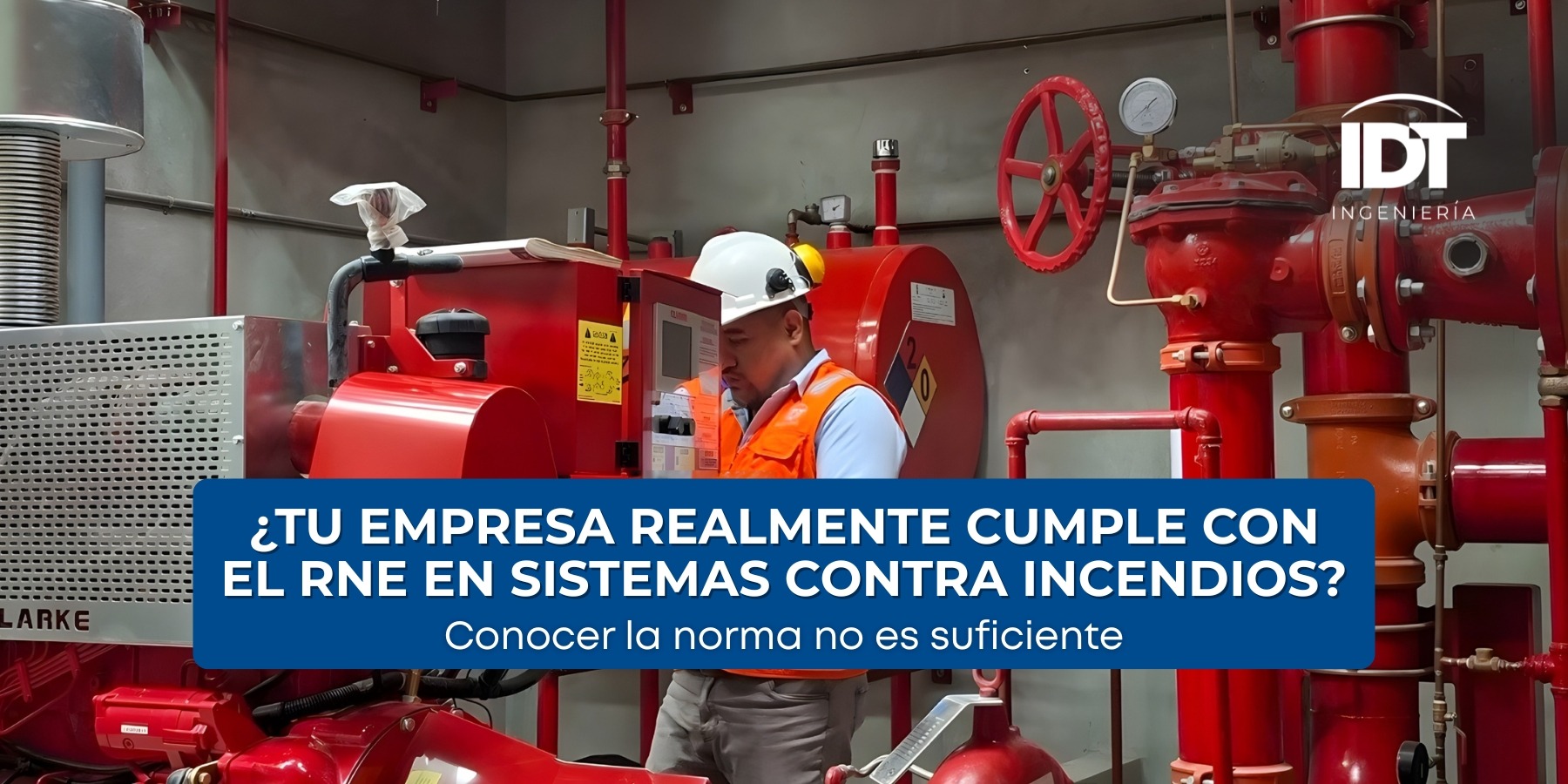
Complying with fire protection regulations in Perú is not only a legal requirement; it is a strategic decision that protects lives, assets, and operational continuity. In this context, the National Building Regulations, known as the Reglamento Nacional de Edificaciones (RNE), are the key framework that every organization must consider when implementing fire protection systems.
What is the RNE and why is it important for fire protection systems?
The RNE establishes the minimum technical criteria for the design, construction, and safety of buildings in Perú. Fire safety is a central component, as it defines the conditions required to prevent, control, and mitigate risks.
Compliance with the RNE is mandatory and is directly linked to:
- Operating licenses
- ITSE inspections
- Safe operation of industrial, commercial, and institutional facilities
Which RNE standard regulates fire safety?
The main reference is Standard A.130 – Safety, which establishes general criteria for:
- Protection of people
- Reduction of fire risk
- Safe evacuation conditions
It applies to industrial, commercial, service, and public-use buildings.
Fire protection systems required by the RNE
Depending on the type and use of the building, the RNE requires the implementation of:
- Fire detection and alarm systems
- Fire suppression systems, such as sprinklers, fire hose cabinets, and fire extinguishers
- Signage and evacuation routes
- Emergency lighting
These systems must be properly designed, installed, and maintained in order to respond effectively in the event of an emergency.
RNE and NFPA: Do they contradict each other or complement each other?
They do not contradict each other.
- The RNE is the mandatory legal framework in Peru.
- NFPA standards are international technical standards that complement the RNE and define best practices for design and implementation.
Integrating RNE + NFPA makes it possible to comply with the law while raising the technical level of the system.
Common mistakes when trying to comply with regulations
Some of the most common mistakes include:
- Incomplete or misinterpreted designs
- Installations without clear regulatory criteria
- Lack of preventive maintenance
- Recurring observations during ITSE inspections
These mistakes can lead to cost overruns, delays, and unnecessary risks for the operation.
Regulatory compliance: A strategic decision
Ensuring compliance with the RNE in fire protection systems should not be seen only as a legal requirement, but as part of a preventive and sustainable management approach that reduces risks, protects people, and ensures business continuity.
Looking for a technical partner in fire protection systems?
Compliance with fire protection regulations in Peru requires experience, technical criteria, and comprehensive management aligned with each type of operation.
At IDT Ingeniería, we support companies and institutions in the design, implementation, and maintenance of fire protection systems, ensuring reliable solutions that comply with regulations and align with the sector’s best practices.
Ministry of Housing, Construction and Sanitation. (2021). National Building Regulations – RNE. Peruvian Government Platform.
Ministry of Housing, Construction and Sanitation. (2012). Standard A.130: Safety Requirements. National Building Regulations. Supreme Decree No. 017-2012-VIVIENDA.
Presidency of the Council of Ministers. (2018). Supreme Decree No. 002-2018-PCM: Regulations for Technical Safety Inspections in Buildings. Peruvian Government Platform.
National Center for Disaster Risk Assessment, Prevention and Reduction. (2018). Manual for the Execution of Technical Safety Inspections in Buildings. Chief Resolution No. 016-2018-CENEPRED/J.
National Fire Protection Association. (n.d.). List of NFPA Codes and Standards.
Prevention begins with well-informed technical decisions.