


Fire Hydrants: Having Them Installed Is Not Enough
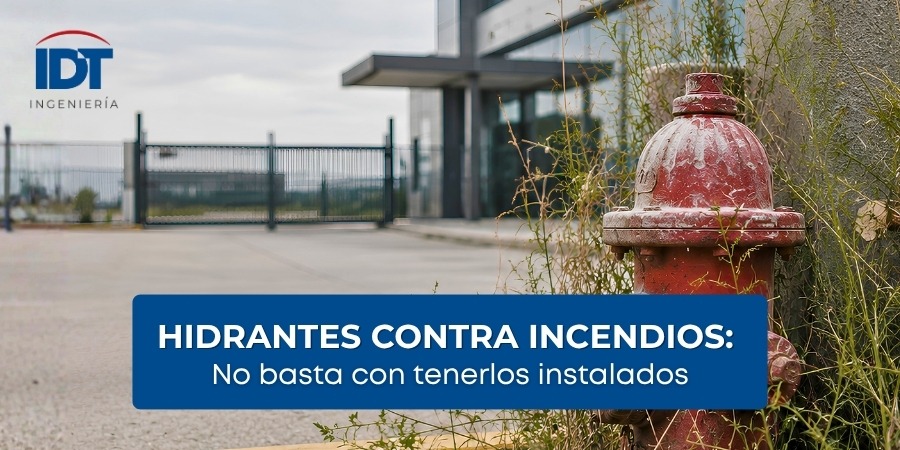
A fire hydrant can be essential during an emergency, but its effectiveness does not depend solely on its presence outside a building.
It must be visible, accessible, free of obstructions, and connected to a network capable of delivering the flow and pressure required for an effective response.
A fire hydrant blocked by weeds, vehicles, debris, stored materials, or lack of maintenance can delay the intervention of the Fire Department and compromise the safety of people, assets, and facilities.
NFPA 1 and Fire Hydrant Accessibility
NFPA 1, Fire Code, establishes criteria related to the accessibility, spacing, and clear space around fire hydrants. Chapter 18 also requires private fire hydrants to be of an approved type and compatible with the equipment used by the local Fire Department.
These requirements are intended to ensure that water supply points can be used quickly and safely during an emergency, avoiding excessive hose lengths and connection difficulties.
However, evaluating a fire hydrant does not mean reviewing only its location. It is also necessary to verify whether it is operational and whether it is part of a reliable fire protection water network.
Peruvian Regulatory Context
In Peru, fire safety in buildings is framed within the National Building Regulations, especially Standard A.130 – Safety Requirements.
When evaluating fire protection water networks, hose cabinets, supply lines, water storage, and hydraulic conditions, Standard IS.010 – Sanitary Installations for Buildings should also be considered. Although it is not a specific fire protection standard, it is used as a hydraulic reference in projects where there is no applicable Peruvian fire protection standard.
From a technical perspective, NFPA criteria complement this framework. Depending on the scope of the system, references such as NFPA 24 for private fire service mains, NFPA 20 for fire pumps, NFPA 291 for fire flow testing of hydrants — including the color coding of caps according to the available flow in GPM — and NFPA 25 for the inspection, testing, and maintenance of water-based fire protection systems may apply.
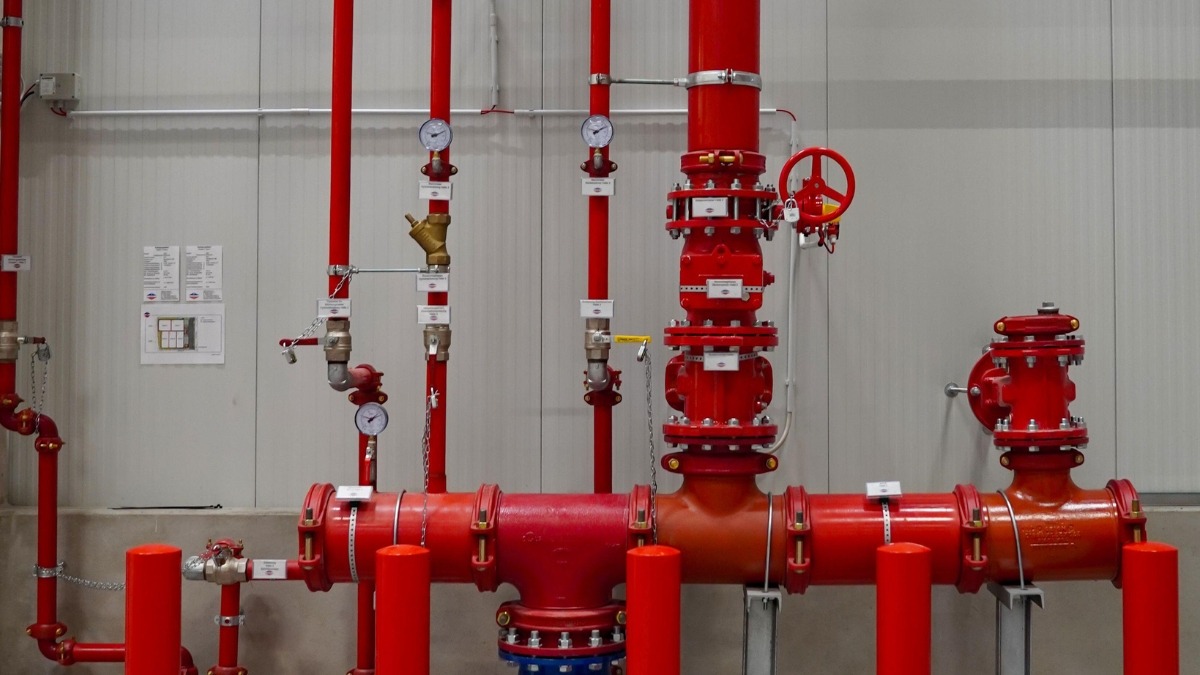
The Risk of an Obstructed Fire Hydrant
In companies, industrial facilities, and buildings, an obstructed fire hydrant is not a minor issue. It can directly affect the response capacity during a fire.
The most common observations include fire hydrants covered by weeds, blocked by vehicles, lacking visible signage, with deteriorated connections, valves without maintenance, or networks that have not been verified under real demand conditions.
For this reason, a technical inspection must consider not only the physical condition of the fire hydrant, but also its accessibility, pressure, flow, and compatibility with the entire fire protection network. NFPA 25 is the reference standard for managing these inspection, testing, and maintenance programs.
IDT Ingeniería: Technical Evaluation of Fire Protection Networks
At IDT Ingeniería, we evaluate fire hydrants as part of an integrated fire protection system.
We do not limit our evaluation to the visual condition of the fire hydrant. We assess the complete system: accessibility, flow, pressure, valves, pumps, hose cabinets, and compatibility with the network. If there is a condition that could compromise emergency response, we identify it.
Looking at the complete system
A fire hydrant should not be evaluated only because it is installed. It must be accessible, operational, properly supplied, and maintained within a network designed with technical criteria.
In fire protection, compliance is not demonstrated only on drawings. It is demonstrated when the system is ready to respond.
Frequently asked questions about fire hydrants
- What standard is used to evaluate fire hydrants?
NFPA 1 is a key reference for accessibility, spacing, and clear space around fire hydrants. In Peru, the RNE A.130, IS.010, and complementary standards such as NFPA 24, NFPA 20, NFPA 291, and NFPA 25 should also be considered, depending on the scope of the system. - Does an installed fire hydrant already comply with the standard?
Not necessarily. A fire hydrant must be visible, accessible, free of obstructions, operational, and connected to a network capable of delivering the required flow rate and pressure during an emergency. - What happens if a fire hydrant is blocked?
It can delay hose connections, hinder the Fire Department’s operation, and reduce the response capacity during a fire. - How often should a fire hydrant be inspected?
It should be included in the inspection, testing, and maintenance program of the fire protection system. According to NFPA 25, dry-barrel hydrants require a quarterly visual inspection, an annual flow test, and an internal inspection every five years. The exact frequency may be adjusted depending on the type of facility, risk level, and operating conditions. - What is checked in a technical evaluation of hydrants?
Accessibility, clear space, signage, physical condition, caps, connections, valves, corrosion, flow, pressure, and compatibility with the fire protection network are reviewed.
Is your fire protection system prepared for an emergency?
At IDT Ingeniería, we evaluate fire hydrants, fire protection water networks, pumps, hose cabinets, and protection systems using technical, regulatory, and operational criteria.
- National Fire Protection Association. NFPA 1: Fire Code .
- National Fire Protection Association. NFPA 24: Standard for the InstallationofPrivate Fire ServiceMains and TheirAppurtenances.
- National Fire Protection Association. NFPA 291: RecommendedPractice for Fire Flow Testing and MarkingofHydrants.
- National Fire Protection Association. NFPA 20: Standard for the InstallationofStationaryPumps for Fire Protection .
- National Fire Protection Association. NFPA 25: Standard for the Inspection , Testing , and MaintenanceofWater-Based Fire Protection Systems .
- Ministry of Housing, Construction and Sanitation of Peru. National Building Regulations — RNE.
- Peruvian State / Gob.pe. Standard A.130: Safety Requirements .
- Peruvian State / Gob.pe. Standard IS.010: Sanitary Installations for Buildings .